
Harness the power of electrical and digital innovation with home automation
Imagine controlling your lights, appliances, and more with a touch of your smartphone or a simple voice command. That’s the future we are here to help you build. At Sparky Mark, we not only install these smart devices but also assist in connecting them to your local network and provide guidance on how to use them effectively. We can also recommend energy-efficient smart products certified by ENERGY STAR to enhance your home’s efficiency.
Sparky Mark’s team can help you decide the best products that are right for your home.
Smart Hub
“Smart Hubs” allow smart devices to connect and work together using an app or voice assistance. Many third-party smart devices can connect with the most popular control platforms such as: Amazon Alexa, Google Home and Apple’s HomeKit.
For example, currently Google Home pairs with over 50,000 devices from 10,000 brands.
Google has provided an extensive list: Click Here to View the Article
Smarter Thermostats
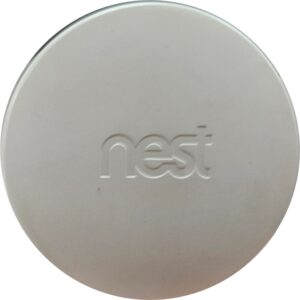
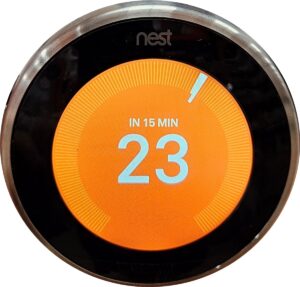
Recent statistics from Natural Resources Canada demonstrate that 64% of household energy use goes to heating and cooling the home! By upgrading to a smart thermostat you will make your home more energy efficient and lower your energy costs.
Click Here to View the Article from Natural Resources Canada.
Smart Lighting
Lightbulbs have made strides in their efficiency over the years, from the 1879 invention of the incandescent light bulb. ENERGY STAR certified light bulbs use up to 90% less energy, on average, than traditional incandescent light bulbs. ENERGY STAR certified light bulbs using light-emitting diode (LED) technology last at least 15 times longer than incandescent bulbs.
Pairing energy efficient lighting options with a smart automation system inside or outside your home will reduce your hydroelectric bill.
Do you want to take your smart home one step further?
Pair your smart devices with energy efficient options such as smart thermostats, light bulbs and appliances. In Canada we use the internationally recognized ENERGY STAR symbol to certify energy efficient products.
The government of Canada regularly updates their website with the most-efficient products available in the market: Click here to View the Article
Frequently Asked Questions
What are ENERGY STAR ratings?
ENERGY STAR products are the same or better than standard products, only they use less energy. To earn the ENERGY STAR, they must meet strict energy efficiency criteria set by the Natural Resources Canada. Since they use less energy, these products save you money on your electricity bill and help protect the environment by causing fewer harmful emissions from power plants.
If a product is ENERGY STAR approved it should receive the symbol below:

How do smart hubs work and what devices are compatible with them?
Smart hubs act as a central point that allows different smart devices to connect and work together via an app or voice assistance. They are compatible with a wide range of third-party devices and can be integrated with popular control platforms like Amazon Alexa, Google Home, and Apple’s HomeKit. For instance, Google Home is compatible with over 50,000 devices from 10,000 brands, offering extensive flexibility in smart home customization
What happens if my internet goes out? Will my devices still work?
Some smart devices and appliances will have a battery backup option. Many lighting systems devices can still turn on and off with a light switch during an internet outage.
Despite the allure of smart home devices in theory, it’s essential to explore their functionality in situations where the connected environment is inaccessible. For a more in-depth understanding, experiment by disconnecting your internet to observe precisely how the device behaves. This proactive approach allows you to anticipate and address potential issues before they arise.
Should I be worried about my smart home system being hacked?
The security measures you have learnt to apply in computing environments are equally applicable to smart devices. Employ robust and challenging-to-predict passwords, and activate two-factor authentication where possible. Modify administrative credentials from their default settings. Ensure timely application of firmware and software updates. Exercise heightened vigilance with devices equipped with cameras or microphones.
Will my smart home devices still work if my internet goes out?
Smart Solutions for a Brighter Tomorrow